
Pakistan Tourism

Shah Rukn-e-Alam Multan – A Complete Travel & Tourist Guide

Introduction

Shah Rukn-e-Alam is one of the most iconic and spiritually significant landmarks in Multan, the City of Saints. This majestic mausoleum attracts thousands of tourists, historians, photographers, and spiritual seekers every year. Whether you are planning to travel to tourist destinations across Pakistan or searching for culturally rich heritage sites, the shrine of Shah Rukn-e-Alam remains a must-visit gem.

Recognized for its breathtaking Indo-Islamic architecture, historical legacy, and deep cultural value, the tomb beautifully represents the essence of Punjab Tourism Department initiatives to promote historical tourism. This guide provides a detailed, human-written, and semantically optimized article for anyone planning to tour Pakistan, especially those who wish to explore spiritual and architectural wonders.

Pakistan tourism punjab tourism department tourism department punjab tourism travel pakistan for tourists pakistan tour tour pakistan pakistan tourists tourism website in pakistan

The Legacy of Shah Rukn-e-Alam

Who Was Shah Rukn-e-Alam?

Shah Rukn-e-Alam, a 14th-century Sufi saint belonging to the Suhrawardiyya order, is considered one of the most influential spiritual figures in South Asia. Born in 1251 CE, he dedicated his life to spreading peace, tolerance, and spirituality. His teachings attracted countless followers and continue to inspire tourists, scholars, and spiritual devotees from all over the world.

Historical Importance

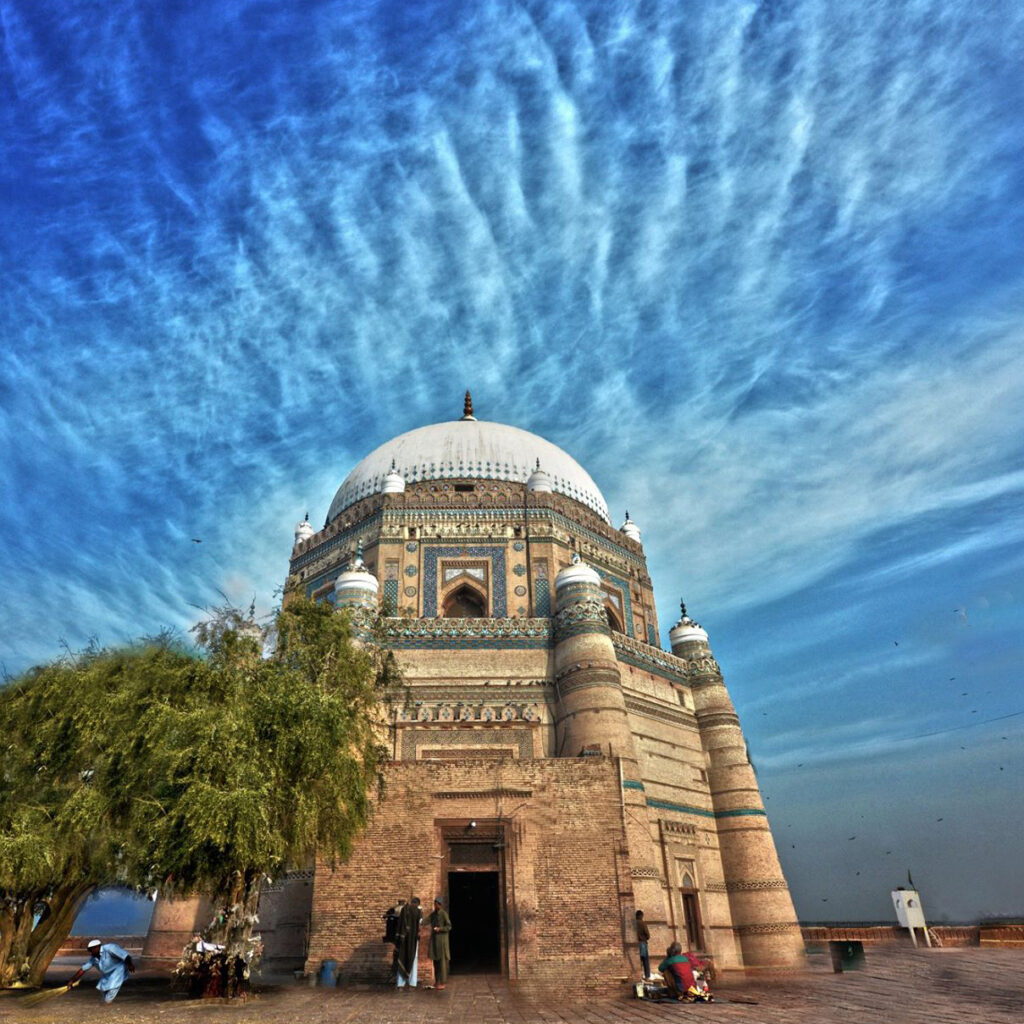
The mausoleum, located in the heart of Multan, was built between 1320 and 1324 by Ghiyas-ud-Din Tughlaq. The structure is admired for its grandeur and architectural precision, making it an essential stop for those who want to explore Pakistan for tourists or for anyone fascinated by Sufi heritage.

Architectural Marvel of the Mausoleum

Exterior Design

The tomb of Shah Rukn-e-Alam is one of the largest and most stunning Sufi shrines in Asia. Built with red brick, beautifully glazed tiles, and turquoise mosaics, the exterior showcases classic Tughlaq architecture. The geometric patterns and blue-white tile work mesmerize tourists and photographers.

Interior Craftsmanship

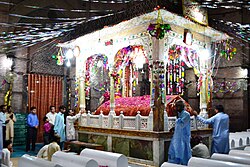
Inside the shrine, the wooden pillars, domed ceiling, and delicately carved patterns create a peaceful atmosphere. The interior reflects serenity, attracting tourism travel enthusiasts who appreciate historical design and heritage preservation.

The Dome: A Symbol of Majesty

The dome, one of the largest in the region at the time of construction, is a masterpiece in itself. Its structure has inspired numerous architects and continues to be studied by travel and tour experts who specialize in Islamic architecture.

Why Shah Rukn-e-Alam Is a Must-Visit for Tourists

Cultural Experience

Visitors experience Multan’s local culture, handicrafts, and traditional hospitality. The shrine is often included on lists of major landmarks promoted by the tourism department Punjab, making it a popular travel destination.

Spiritual Atmosphere

The soothing chants, prayers, and peaceful environment draw millions of devotees annually. Many tourists travel long distances to seek spiritual healing and blessings at this revered site.

Educational Value

The site serves as a live historical museum. Students, historians, architects, and researchers frequently include it during their Pakistan tour programs to study early Indo-Islamic craftsmanship.

Location & How to Reach Shah Rukn-e-Alam

Central Multan Location

The shrine is located atop an ancient mound inside the Qasim Bagh Fort complex, giving visitors a panoramic view of the city. It is easily accessible via main highways, airports, and public transportation—a major advantage for Pakistan tourists traveling from Lahore, Islamabad, or Karachi.

Best Time to Visit

The ideal time to tour Pakistan and visit Multan is between November and February, as the weather becomes pleasant. Summer can be extremely hot, and many tourists prefer traveling in winter for a comfortable experience.

Nearby Attractions

Multan Fort (Qasim Bagh Fort)

Located adjacent to the shrine, it offers a deep dive into the region’s military and architectural history. Many travel and tourist groups include this fort in their itinerary.

Hussain Agahi Bazaar

A lively market near the shrine offering Multani blue pottery, embroidered clothes, Sohan Halwa, and handicrafts. A perfect place for souvenir shopping.

Shrine of Bahauddin Zakariya

Another iconic Sufi landmark located nearby, often visited by devotees and international tourists.

Shah Rukn-e-Alam and Punjab Tourism

Role of Punjab Tourism Department

The Punjab Tourism Department has taken several initiatives to preserve the shrine, improve visitor facilities, and promote Multan as a cultural heritage hub. By highlighting sites like Shah Rukn-e-Alam on the tourism website in Pakistan, the department encourages both local and foreign tourism.

Impact on Local Tourism

The shrine significantly boosts local businesses, handicrafts, food stalls, and tour guide services. As more visitors choose to travel and tourist in Multan, economic activities continue to flourish.

Shah Rukn-e-Alam for International Tourists

A Gateway to South Asian Sufi Culture

Foreign visitors interested in Islamic history and Sufi heritage will find the shrine deeply enlightening. The site is frequently featured on global travel platforms recommending Pakistan for tourists.

Safe and Comfortable Travel Options

Multan offers safe accommodation, transport, and hospitality services for international tourists, making it easy to explore the city’s historic roots.

Conclusion

Shah Rukn-e-Alam stands as a timeless masterpiece of architecture, history, and spirituality. Whether you're exploring famous places in Lahore, discovering outing places in Lahore, or planning to expand your journey across Punjab, Multan’s iconic shrine should be on every traveler’s list. It perfectly complements the rich heritage promoted by the tourism department Punjab and continues to attract countless visitors exploring tour Pakistan experiences.

If you're planning your next travel adventure in Pakistan or looking for trusted travel resources, visit https://pakistanptpc.com/ — your go-to platform for planning memorable journeys.

Frequently Asked Questions

Because of its unique architecture, spiritual importance, and historical heritage.

The shrine was constructed between 1320 and 1324.

Yes, it is one of the most visited and foreign-tourist-friendly heritage sites in Pakistan.

Multan Fort, Bahauddin Zakariya Shrine, and nearby traditional markets.

Yes, photography is allowed outside and in most areas inside, except during prayer times.
services-4.jpg
Shopping Basket