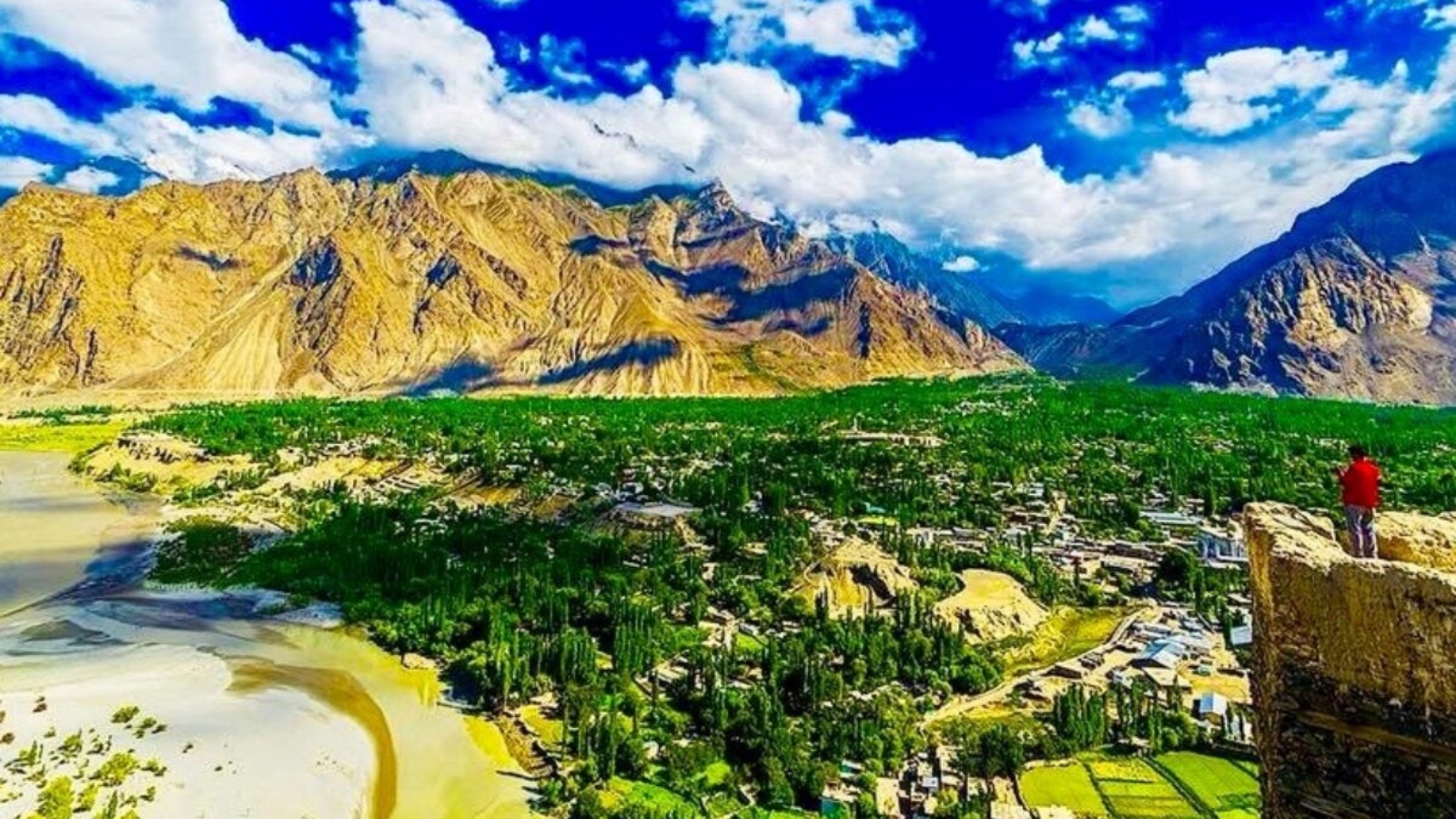
Gilgit Baltistan is one of the most breathtaking and culturally rich regions of Pakistan. Known for its towering mountains, ancient traditions, unique cuisine, and warm hospitality, this northern paradise plays a vital role in Pakistan tourism. From the world’s highest peaks to centuries-old forts and diverse ethnic cultures, Gilgit Baltistan offers an unforgettable experience for travelers seeking adventure, history, and authenticity.
This Gilgit Baltistan – Culture, Food & Attractions Guide is designed to help pakistan tourists understand the region beyond just scenic beauty. Whether you are planning a cultural journey, a food exploration trip, or a complete pakistan tour, this guide covers everything you need in a simple, practical, and user-friendly way.
Introduction to Gilgit Baltistan
Gilgit Baltistan is located in the extreme north of Pakistan and shares borders with China, Afghanistan, and India. The region is home to some of the world’s highest mountain ranges, including the Karakoram, Himalayas, and Hindu Kush. It is also the gateway to iconic destinations like Hunza, Skardu, Fairy Meadows, and Deosai.
For pakistan for tourists, Gilgit Baltistan represents adventure, peace, culture, and untouched beauty. Over the years, improved infrastructure and tourism initiatives have made it a major destination for tourism travel.
Cultural Diversity of Gilgit Baltistan
One of the strongest attractions of Gilgit Baltistan is its cultural diversity. The region is home to multiple ethnic groups, each with its own language, traditions, and lifestyle.
Ethnic Groups and Languages
Gilgit Baltistan hosts communities such as Shina, Burusho, Balti, Wakhi, and Khowar. Languages spoken include Shina, Burushaski, Balti, Wakhi, and Persian-influenced dialects.
Despite linguistic diversity, people live in harmony, making the region culturally rich and socially welcoming for pakistan tourists.
Traditional Lifestyle
Life in Gilgit Baltistan is deeply connected to nature. Agriculture, livestock, and handicrafts remain central to daily life. Traditional homes, clothing, and farming methods reflect centuries-old practices.
Visitors often find the local lifestyle refreshing, authentic, and deeply rooted in values of respect and hospitality.
Festivals and Cultural Events
Festivals play a major role in preserving the identity of Gilgit Baltistan.
Navroz
Celebrated in spring, Navroz marks the new year with music, dance, and traditional sports.
Ginani Festival
This festival celebrates the wheat harvest and reflects the agricultural roots of the region.
Polo Festivals
Polo is not just a sport but a cultural symbol in Gilgit Baltistan. Traditional freestyle polo matches attract large crowds and tourists interested in cultural experiences.
These festivals add depth to Pakistan tourism and provide meaningful cultural exposure.
Traditional Food of Gilgit Baltistan
Food in Gilgit Baltistan is simple, nutritious, and closely connected to the mountainous environment. Traditional dishes are prepared using locally grown ingredients and reflect survival wisdom passed down generations.
Popular Local Dishes
Some of the most famous foods include:
- Chapshuro (meat-filled bread)
- Mamtu (traditional dumplings)
- Diram Fitti (wheat bread with butter)
- Balay (local noodle dish)
- Yak meat and dried apricots
For pakistan tourists, trying local food is an essential part of experiencing the region’s culture.
Organic and Natural Diet
Gilgit Baltistan is known for organic food. Fresh fruits like apricots, apples, cherries, and mulberries are widely consumed. This natural diet is often associated with the long life expectancy of locals.
Food tourism is becoming a growing segment within tourism travel in the region.
Major Tourist Attractions in Gilgit Baltistan
Gilgit Baltistan is filled with world-class natural and historical attractions that make it a top destination for tour pakistan travelers.
Hunza Valley
Hunza is famous for its scenic beauty, cultural heritage, and historical forts like Baltit and Altit. The valley is a favorite among international and domestic pakistan tourists.
Skardu
Skardu serves as the gateway to some of the world’s highest peaks, including K2. It is known for lakes, deserts, and mountain landscapes.
Deosai National Park
Known as the “Land of Giants,” Deosai is one of the highest plateaus in the world and a symbol of wildlife conservation in Pakistan tourism.
Fairy Meadows
Located near Nanga Parbat, Fairy Meadows offers breathtaking views and is popular among trekkers and nature lovers.
Historical Sites and Heritage
Gilgit Baltistan has a rich historical background shaped by trade routes, empires, and local kingdoms.
Baltit and Altit Forts
These forts represent centuries of architectural brilliance and political history in Hunza.
Buddhist Rock Carvings
Ancient carvings along the Karakoram Highway reflect the region’s importance on the Silk Route.
Historical tourism plays a vital role in strengthening pakistan for tourists experiences.
Adventure and Nature Tourism
Gilgit Baltistan is a dream destination for adventure lovers.
Trekking and Mountaineering
The region offers world-class trekking routes like K2 Base Camp, Rakaposhi Base Camp, and Snow Lake.
Jeep Safaris
Off-road journeys to places like Deosai, Shigar, and Khunjerab Pass provide thrilling experiences.
Adventure tourism significantly contributes to tourism travel and attracts global travelers.
Best Time to Visit Gilgit Baltistan
Choosing the right season is essential for a comfortable trip.
Summer (May to September)
This is the best time for sightseeing, trekking, and cultural exploration.
Autumn (October)
Autumn offers golden landscapes and fewer crowds.
Winter (November to March)
Winters are harsh but beautiful, suitable for experienced travelers seeking snow landscapes.
Accommodation and Travel Facilities
Gilgit Baltistan offers a range of accommodations from budget guesthouses to luxury resorts.
- Family hotels in Hunza and Skardu
- Mountain lodges for trekkers
- Cultural guesthouses
Improved roads and airports have made access easier, supporting pakistan tour planning.
Role of Tourism Departments
Tourism growth in northern Pakistan is supported by national and provincial efforts. While Gilgit Baltistan has its own tourism authority, initiatives by the Punjab Tourism Department and tourism department punjab through national campaigns also help promote northern destinations.
Such collaboration strengthens Pakistan tourism and improves visibility on every major tourism website in pakistan.
Responsible Tourism in Gilgit Baltistan
Preserving nature and culture is essential for sustainable tourism.
- Avoid littering
- Respect local customs
- Support local businesses
- Use eco-friendly practices
Responsible travel ensures long-term benefits for both locals and pakistan tourists.
Budget Planning for Gilgit Baltistan Tour
A complete pakistan tour to Gilgit Baltistan can be planned within a flexible budget.
Costs usually include:
- Transport
- Accommodation
- Food
- Local travel
With proper planning, Gilgit Baltistan remains accessible for most travelers.
Conclusion – Plan Your Gilgit Baltistan Tour with PakistanPTPC
Gilgit Baltistan is not just a destination; it is a complete cultural, natural, and culinary experience. From its diverse traditions and organic food to its legendary mountains and historical heritage, the region stands as a crown jewel of Pakistan tourism.
If you are planning a reliable pakistan tour, an organized tour pakistan, or a meaningful tourism travel experience, choosing the right platform is essential. A trusted tourism website in pakistan can make your journey smooth, safe, and memorable.
For expert guidance, customized tours, and up-to-date travel information, we highly recommend:
👉 https://pakistanptpc.com/
Visit https://pakistanptpc.com/ today to explore Gilgit Baltistan and other iconic destinations with confidence and ease.