
Climate of Pakistan
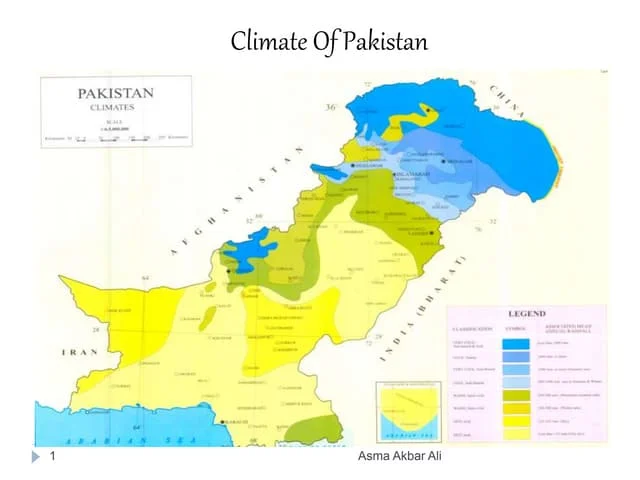
The climate of Pakistan (پاکستان کی آب و ہوا) is as diverse as its geography. From the snow-covered mountains of Gilgit-Baltistan to the hot deserts of Sindh and Balochistan, Pakistan experiences a wide range of weather conditions. Understanding Pakistan’s climate is crucial for agriculture, tourism, urban development, and disaster management.
Geographical Influence on Pakistan’s Climate
Pakistan’s geography plays a vital role in shaping its climate. Located between latitudes 24° and 37° North, Pakistan lies at the intersection of South Asia, Central Asia, and the Middle East.
- The Himalayan and Karakoram ranges block cold winds from Central Asia.
- The Arabian Sea brings humidity and monsoon rains.
- The Thar Desert causes extreme heat in Sindh and southern Punjab.
This unique location results in a variety of climates across the country.
The Role of Monsoon in Pakistan
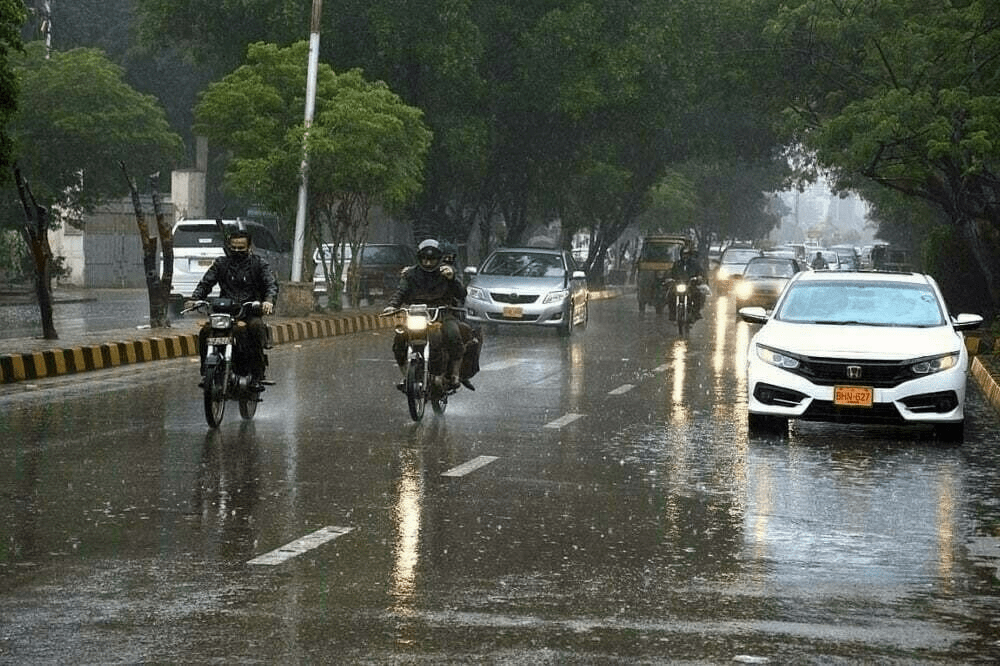
The Southwest Monsoon is the most significant weather system in Pakistan.
-
Arrives in July and lasts till September
-
Brings 60–70% of annual rainfall
-
Essential for agriculture but often causes floods and landslides
The Northeast Monsoon is weaker and impacts coastal areas in winter.
Seasonal Variations in Pakistan
1. Winter (December – February)
-
Cold and dry season
-
Northern areas like Gilgit, Hunza, and Skardu experience heavy snowfall
-
Southern regions remain relatively mild
2. Spring (March – May)
-
Pleasant temperatures with blossoming flowers
-
Ideal season for tourism and agriculture
-
Major crops like wheat are harvested
Summer (June – August)
-
Intense heat, especially in Sindh, Punjab, and Balochistan
-
Temperatures in Jacobabad and Sibi can exceed 50°C
-
Monsoon rains begin in July, cooling down plains but causing floods
4. Autumn (September – November)
-
Transition season with mild temperatures
-
Harvesting of rice, sugarcane, and cotton
-
Comfortable for travel and outdoor activities
Tourism and Climate of Pakistan
The diverse climate supports year-round tourism:
Winter tourism – Skiing in Malam Jabba, snowfall in Murree
Summer tourism – Trekking in Hunza, Fairy Meadows, and Naran-Kaghan
Spring tourism – Visiting gardens of Lahore, Shalimar Bagh, and Swat Valley
Autumn tourism – Golden autumn leaves in Hunza and Skardu
Regional Climate Differences
1. Northern Areas (Gilgit-Baltistan, KPK highlands)
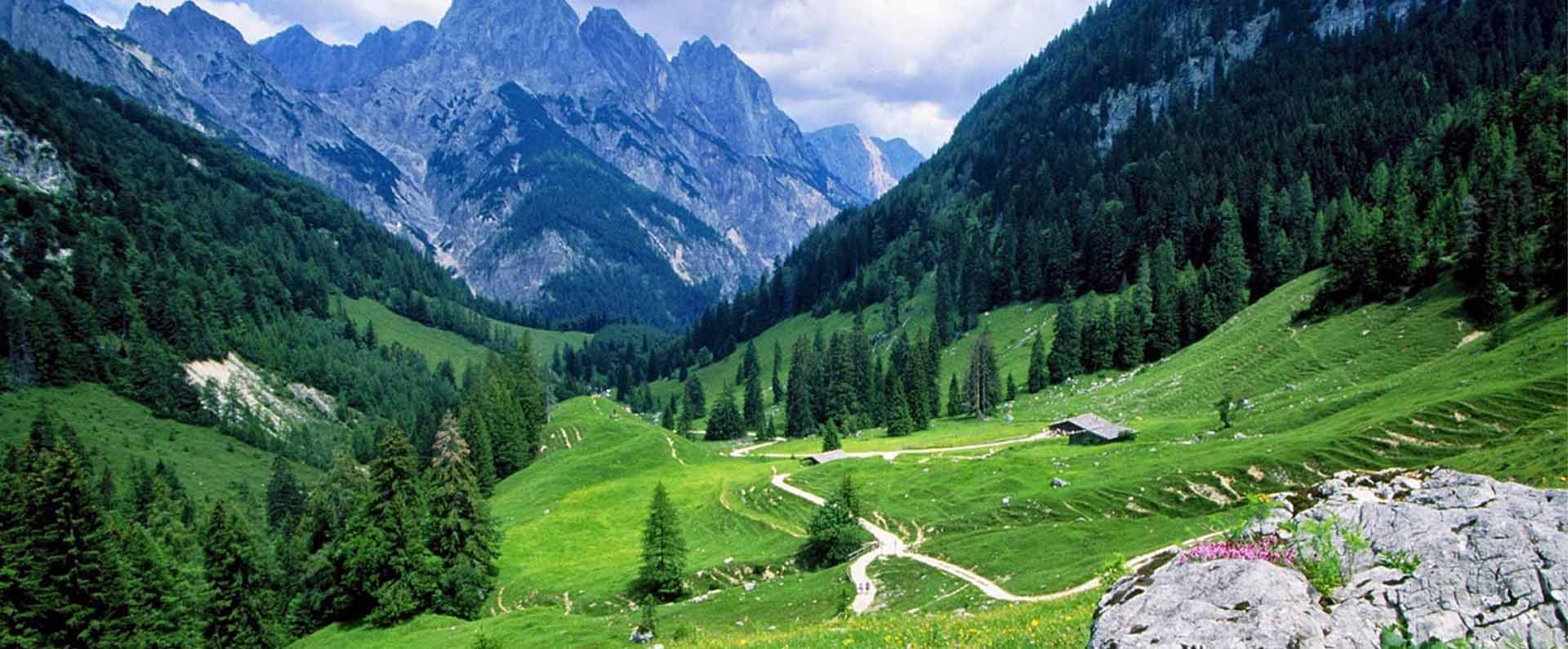
- Cold winters with heavy snowfall
- Cool summers, ideal for tourism
- Popular destinations: Hunza, Skardu, Swat
2. Punjab
- Extreme temperatures: very hot summers and cold winters
- Fertile plains with abundant agriculture
- Lahore experiences monsoon rains in July–August
3. Sindh
- Hot and dry climate with mild winters
- Karachi has a coastal climate with high humidity
- Thar Desert faces extreme heat and water scarcity
4. Balochistan
- Dry desert climate with low rainfall
- Quetta experiences cold, snowy winters
- Gwadar has a coastal climate with moderate temperatures
5. Khyber Pakhtunkhwa (KPK)
- Mixed climate: cold in mountains, moderate in plains
- Famous for valleys like Swat and Kaghan